Scientific Modeling out of distribution (Scientific-Mood) ML Challenge
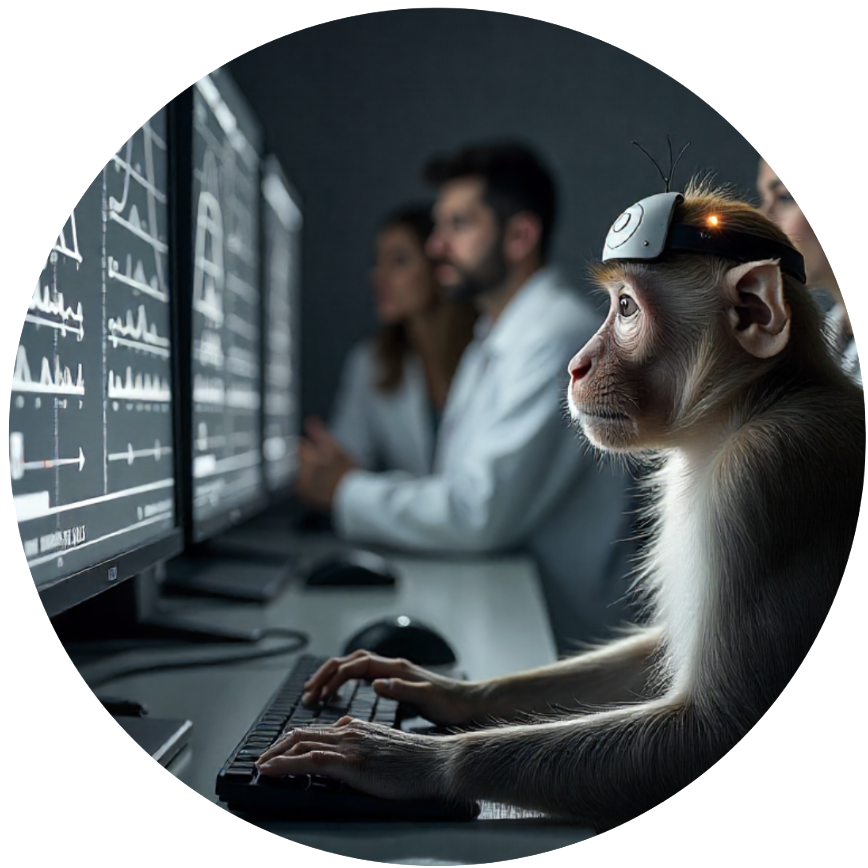
- Neural Forecasting: We forecast the activations of a cluster of neurons given previous signals from the same cluster. This targets the critical problem of brain-artificial neuron interfaces, and these models can be used in brain-chip interfaces for artificial limb control, amongst many others.
- Climate prediction using ecological data: We predict drought conditions at field sites over short, medium, and long timescales using images of an important group of ecological indicator organisms (ground beetles) collected there. The resulting models can be used to understand how the impacts of future climate conditions may be reflected in observable features of sentinel taxa.
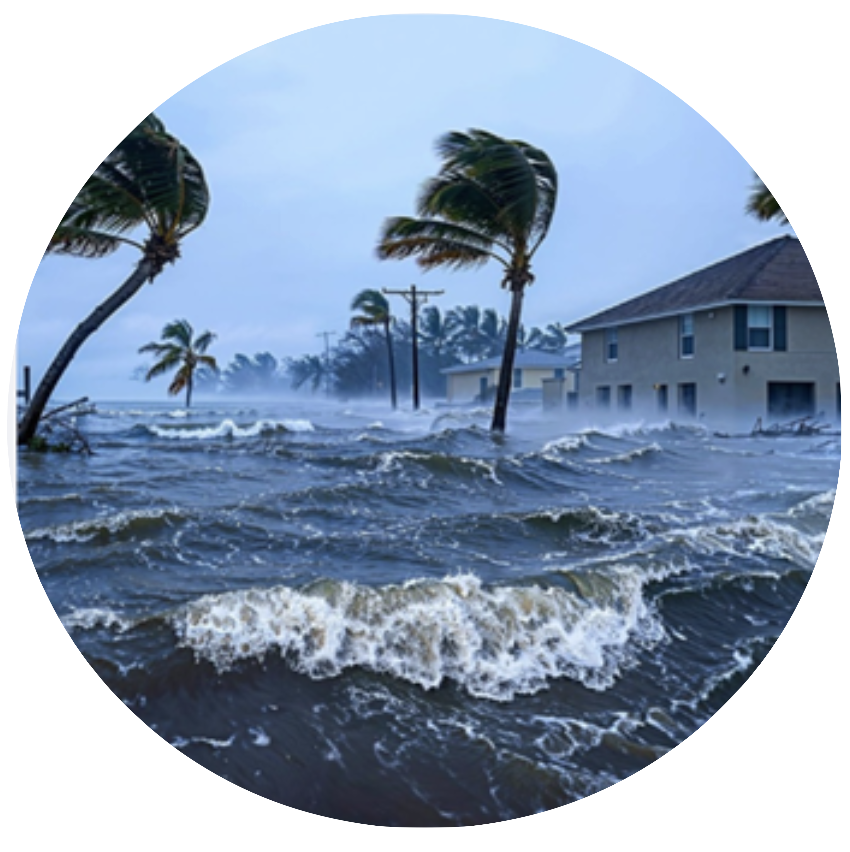
- Coastal flooding prediction over time: We model the sea levels at various sites over decades, with the aim of predicting future coastal floods. The resulting model will be essential for understanding the real-world impacts of climate change.
The ML Challenge launched on September 18th, 2025 and will run through January 31st, 2026!
Challenge Organizers
Imageomics
- Elizabeth G. Campolongo
- Wei-Lun Chao
- Chandra Earl (NEON)
- Hilmar Lapp
- Kayla Perry
- Sydne Record
- Eric Sokol (NEON)
A3D3
- Yuan-Tang Chou
- Ekaterina Govorkova
- Philip Harris
- Shih-Chieh Hsu
- Mark S. Neubauer
- Amy Orsborn
- Leo Scholl
- Eli Shlizerman
iHarp
- Ratnaksha Lele
- Aneesh Subramanian
- Josephine Namayanja
- Bayu Tama
- Vandana Janeja
Student Organizers
Imageomics
- David E. Carlyn
- Alyson East
- Connor Kilrain
- Fangxun Liu
- Zheda Mai
- S M Rayeed
- Jiaman Wu
A3D3
- Jingyuan Li
iHarp
- Subhankar Ghosh
- Sai Vikas Amaraneni
- Maloy Kumar Devnath